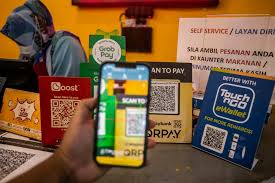

The rapid rise of eWallet in Malaysia has completely transformed how consumers shop, pay bills, and manage finances. Over the past few years, digital payment adoption has skyrocketed, driven by convenience, safety, government initiatives, and the shift toward a cashless society. Today, Malaysians can pay for groceries, ride-hailing, utilities, and even hawker food with just a tap on their smartphones.
But the eWallet landscape is evolving beyond simple payments. New solutions such as electronic receipts, e invoice system platforms, online invoicing, and government-driven e invoice portal adoption are creating a fully digital financial ecosystem. This makes e invoicing Malaysia one of the most fast-moving fintech environments in Southeast Asia.
In this blog, we explore the growth of Malaysian eWallets, how invoicing technology complements them, and why businesses must embrace these changes.
Why eWallets Are Growing Rapidly in Malaysia
There are several major factors behind the booming popularity of eWallet in Malaysia:
1. Government push for cashless transactions
Initiatives such as the eBelia credit programme, DuitNow QR adoption, and regulatory support have accelerated the shift to digital payments. The government’s introduction of a nationwide e invoice system reinforces this digital-first approach.
2. Convenience and speed
Consumers love the ability to make instant payments without needing cash or cards. With just a QR code scan, transactions are completed within seconds—making eWallets more efficient than traditional methods.
3. Enhanced financial transparency
Digital payments automatically generate electronic receipts, making it easier for both consumers and businesses to track spending. This reduces disputes and increases accuracy compared to paper receipts.
4. Widespread merchant adoption
From large supermarkets to small food stalls, eWallet adoption has grown due to affordable transaction fees, easy setup, and increased customer demand.
Popular eWallets Shaping the Malaysian Digital Economy
Several leading eWallet providers dominate the market:
-
Touch ‘n Go eWallet – popular for toll payments, retail shopping, and transport services
-
GrabPay – widely used for food delivery, ride-hailing, and lifestyle spending
-
Boost – a favorite among SMEs and F&B merchants
-
ShopeePay – strong in e-commerce and offline stores
These platforms have contributed significantly to making Malaysia one of the most digital-payment-ready countries in the region.
The Role of Electronic Receipts in Malaysia’s Digital Payment Ecosystem
Moving away from handwritten or printed receipts, electronic receipts provide users with instant digital proof of transactions. They are:
-
Environmentally friendly
-
Easy to store and track
-
Automatically synced with mobile apps
-
Accurate and tamper-proof
For businesses, electronic receipts help streamline accounting and reduce administrative workload. When paired with eWallet payments, they create a seamless digital audit trail.
The Rise of e-Invoicing Malaysia and Why It Matters
The Malaysian government has mandated nationwide adoption of e invoicing Malaysia, requiring businesses to issue digital invoices for all transactions. This new standard is designed to improve tax compliance, reduce fraud, and automate reporting processes.
Businesses must now integrate with the e invoice portal provided by authorities to submit and verify invoices. When combined with eWallet payments, this system makes payment tracking more organized and transparent.
How eWallets Complement the e Invoice System
EWallet transactions automatically generate digital data, which can be linked to:
-
Online invoicing tools
-
The government’s e invoice system
-
Accounting software
-
Cloud-based ERP systems
This automated integration eliminates manual data entry, reducing human errors and improving financial accuracy for businesses of all sizes.
Online Invoicing: A Game-Changer for Malaysian SMEs
For vendors and SMEs, especially in F&B, retail, and service sectors, adopting online invoicing brings multiple benefits:
✔ Faster payment collection
Invoices linked to eWallets result in instant settlement instead of waiting for bank transfers or cash.
✔ Real-time tracking
Every invoice can be monitored digitally—from issuance to payment.
✔ Easier compliance
With the introduction of e invoicing Malaysia, online invoicing tools ensure businesses stay compliant with all regulatory requirements.
✔ Cost savings
No more printing costs, storage, or manual record-keeping.
Online invoicing also improves customer experience by allowing clients to receive invoices immediately via email, apps, or SMS.
How Malaysia’s eWallet Ecosystem Will Evolve in the Future
Malaysia’s digital finance sector is entering a new era, and several trends are expected to shape the future:
1. Greater Integration With Government Systems
EWallet providers will likely integrate more directly with the national e invoice system and tax reporting platforms.
2. Stronger Security Features
Expect improved biometric authentication, fraud detection, and AI-driven protection.
3. 100% Digital Business Operations
From payments to online invoicing, SMEs will operate fully digitally—reducing the need for paperwork.
4. Expansion of DuitNow QR
Standardized QR payments will continue to unify merchants and consumers across all banks and wallets.
Conclusion: Why Businesses Must Embrace the Digital Shift
The rise of eWallet in Malaysia is more than a trend—it is a fundamental transformation of how financial transactions occur. With the integration of electronic receipts, online invoicing, and the government-mandated e invoice portal, Malaysia is moving rapidly toward a seamless, fully digital economy.